How to Choose an Interior Designer for a Renovation: Questions That Protect Your Investment

Why the Right Designer Matters Before Renovation Decisions Begin
Choosing an interior designer for a renovation is not only a question of style. A beautiful portfolio matters, but a major renovation requires more than attractive rooms. It requires planning, documentation, budget awareness, coordination, and the ability to translate personal priorities into decisions that can be clearly understood, priced, and built.
For homeowners planning a major renovation or new construction, the right designer can help clarify the scope of work, identify what needs to be resolved before construction begins, and help assemble the right project team. Depending on the scope, that team may include an architect, builder, engineer, or various trades. When the right expertise is involved at the right time, design decisions can be coordinated more clearly before they affect cost, timing, and the finished result.
This guide outlines the questions homeowners should ask before hiring an interior designer for a renovation. The goal is not to find someone whose style you simply admire, but to understand whether the designer has the process, documentation standards, communication style, and project coordination experience needed to guide a renovation with clarity.
Look for Renovation Experience, Not Just a Beautiful Portfolio
A beautiful portfolio is important, but it should not be the only reason to hire an interior designer for a renovation. Renovation work requires a different level of experience than decorating a finished home. The designer needs to understand how design decisions interact with architecture, construction sequencing, budgets, lead times, existing conditions, and the work of other professionals.
When reviewing a designer’s past work, look beyond whether you like the overall style. Ask whether the designer has worked on projects with similar complexity: kitchens, bathrooms, whole-home renovations, additions, older homes, or new construction. A designer who is experienced in renovation should be able to explain not only what the finished rooms look like, but how the project was planned, documented, coordinated, and brought to completion.
This is especially important when the work involves several rooms or when one area affects another. A kitchen renovation may influence adjacent dining, family, or mudroom areas. A primary suite renovation may involve layout changes, closet planning, bathroom design, lighting, and architectural details. A whole-home renovation requires a designer to think about continuity, proportion, how the interiors interact with the architecture, and how the design language carries from room to room.
The right designer should be able to show work that demonstrates both aesthetic judgment and renovation fluency. The question is not simply, “Do I like this designer’s style?” It is also, “Has this designer successfully guided projects with the level of planning, coordination, and decision-making my renovation will require?”
Before comparing portfolios and proposals, it can also help to understand the common renovation mistakes that often lead to added costs, delays, or rushed decisions.
Ask How the Designer Approaches Layout, Function, and Architectural Continuity
For a renovation, style is only one part of the conversation. The designer should also be able to explain how layout, circulation, storage, lighting, materials, and architectural details will be considered together. These decisions affect not only how a room looks, but how the home works and how naturally the renovated areas connect to the rest of the house.
Many homeowners can describe how they want a room to feel before they can define what it requires. A homeowner may want a walk-in closet to feel like a beautifully edited boutique, for example, but that vision still has to be translated into lighting, storage, display, circulation, mirrors, seating, hardware, cabinetry, and materials. The designer’s role is to turn that kind of aspiration into specific decisions that work within the architecture of the home.
This is especially important in homes where additions, previous renovations, or older architectural details create transitions that need to be handled carefully. A thoughtful designer will look at ceiling heights, window placement, sightlines, trim, flooring transitions, and the relationship between rooms. The goal is not to impose a style onto the house, but to create a design that feels intentional, functional, and architecturally connected.
When interviewing a designer, ask how they approach this kind of evaluation once a project begins. Do they study how one room affects another? Do they consider circulation, proportion, storage, lighting, and architectural continuity before making recommendations? Do they understand when a design idea may require input from an architect, builder, engineer, or trade professional? A thoughtful designer should be able to explain their process, even if the actual assessment of your home takes place after engagement.
Understand What Is Included in the Services Provided by the Designer
Before hiring an interior designer for a renovation, homeowners should understand what is included in the services provided. Not every design engagement is structured the same way. Some projects may focus primarily on furnishing and decoration, while others require a more comprehensive process that may include renovation planning, design development, documentation, material specification, procurement, and project coordination.
Each part of the service should be clearly understood. Design development may include mood boards, floor plan studies, furniture plans, material selections, lighting direction, hardware, millwork direction, and 3D visualization. Documentation may include drawings, elevations, schedules, and specifications that help communicate the design more clearly. Procurement may include pricing review, quote updates, order tracking, and delivery logistics, while project coordination may include contractor communication and site-related follow-up.
It is also important to understand the purpose of each service being provided. In a renovation, these tools are not simply presentation pieces; they are part of the planning that helps decisions become clearer before construction begins. Some services help homeowners understand the design direction, while others help the project team price, coordinate, or implement the work more accurately. Understanding what is included can help avoid delays in moving to the next phase of the project.
The important question is not simply whether a designer provides “a design.” It is what that design includes, how clearly it is presented, and whether it gives the homeowner and project team enough information to make decisions with confidence. A thoughtful design package should make the project easier to understand, price, coordinate, and build — not simply more attractive on presentation day.

Ask What Drawings and Documentation Are Provided
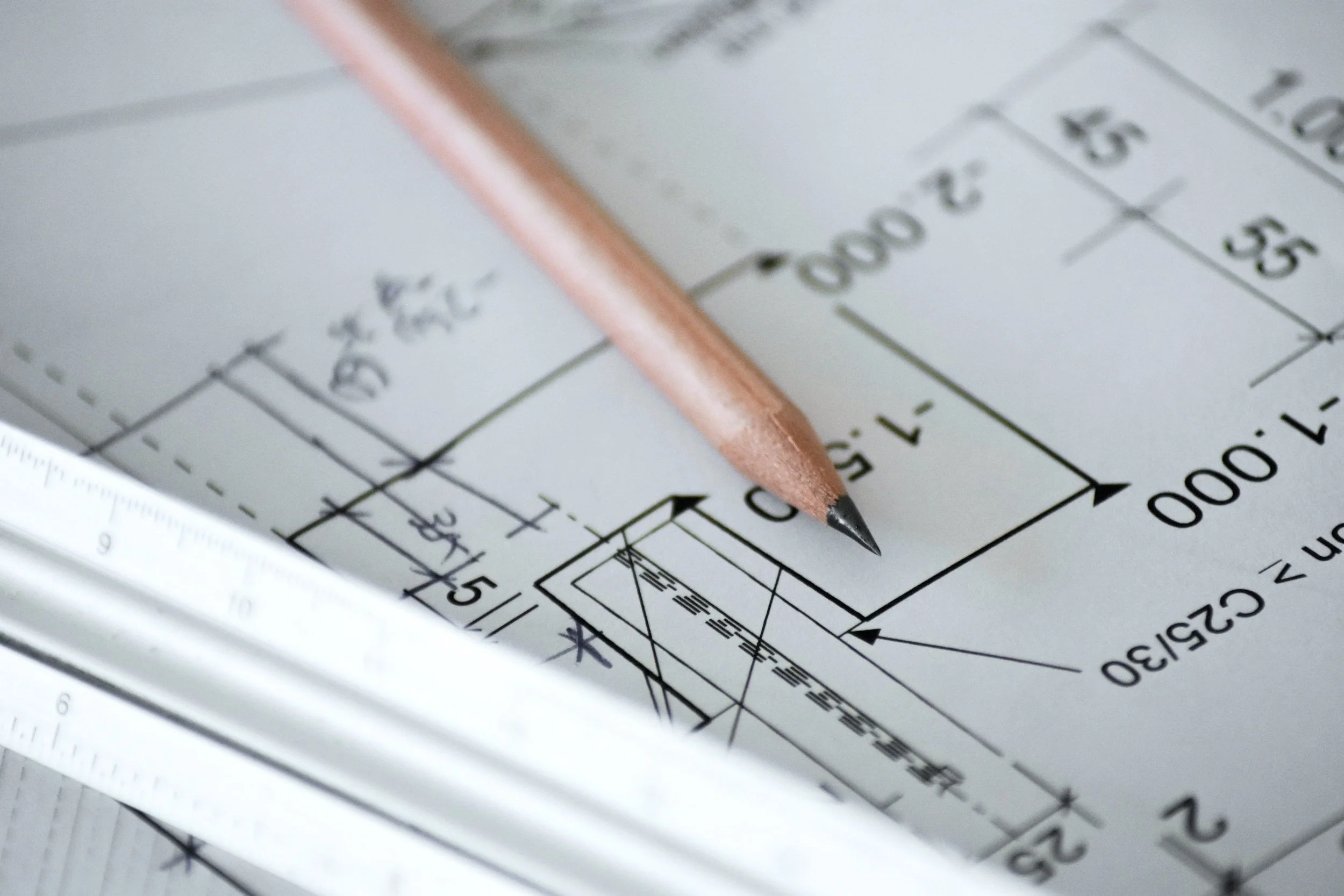
For renovation projects, drawings and documentation are not just technical extras. They are the tools that help translate design intent into information the builder and trades can understand. A floor plan may show the general arrangement of rooms, but it does not show every decision needed to price, coordinate, or build the project well.
Ask what types of drawings are included and what purpose they serve. Depending on the scope, some projects may only require presentation-level drawings to communicate the design direction, while renovation work may require construction-level documentation. This may include floor plans, reflected ceiling plans, lighting plans, interior elevations, millwork drawings, finish schedules, material schedules, and specifications.
This distinction matters. A presentation drawing can help a homeowner understand the overall direction, but construction-level documentation may be needed to clarify dimensions, fixture locations, lighting placement, cabinetry details, switching, material transitions, or installation requirements. Without this level of information, builders and trades may need to rely on assumptions, which can lead to misinterpretation, delays, or changes once the work is underway.
When choosing a designer, ask how their documentation supports the renovation process. Do the drawings clarify how materials, millwork, lighting, and architectural details relate to one another? Are specifications organized clearly? Does the design package help the project team understand what is being priced and built? Strong documentation does not remove every possible renovation surprise, but it helps reduce preventable confusion before construction begins.
Ask How Material Budgets and Product Decisions Are Handled
For a renovation, material and product decisions should not be treated as isolated aesthetic choices. Tile, stone, plumbing fixtures, lighting, cabinetry, hardware, furnishings, and window treatments all carry budget implications. Ask how the designer helps homeowners compare options, understand trade-offs, and make decisions with a clearer view of how each selection affects the overall project.
This is especially important because early project budgets may not always reflect final design decisions. Placeholder numbers can provide a starting point, but they may not account for the actual materials, quantities, freight, receiving, or logistics required once selections are developed. A homeowner may believe a material category has been accounted for, only to discover later that the preferred selection changes the budget significantly.
A thoughtful designer should be able to explain how product decisions are reviewed in relation to the overall investment. Are material options presented with cost awareness? Are quantities and related logistics considered? Are budget updates discussed before selections are finalized? The goal is not to make every decision based on price alone, but to help homeowners understand where the investment is going and how to make choices with greater clarity.
This kind of budget-informed design process helps reduce surprises and supports better decision-making. It allows homeowners to weigh priorities earlier, rather than discovering cost implications after design decisions have already been approved or construction is already underway.
Designer fees should also be clarified early; for a deeper look at fee models and project costs, read our guide to the 2026 cost of hiring an interior designer in Fairfield County.
Clarify How the Designer Works With Architects, Builders, and Trades
A renovation rarely depends on one professional alone. Depending on the scope, the project may require an architect, builder, engineer, various trades, or other consultants. The interior designer’s role should be understood in relation to the rest of the project team.
Ask how the designer communicates with architects, builders, and trades during the planning and implementation phases. A strong renovation designer should be able to coordinate design intent, clarify interior details, respond to questions, and help make sure the decisions being made by different team members support the same overall direction. For some renovation projects, this coordination may also include contractor walk-throughs and proposal review against the design scope, so homeowners can better understand what is included, excluded, or assumed.
This coordination is especially important when interior decisions affect construction details. Cabinetry, lighting, plumbing fixtures, tile layouts, hardware, flooring transitions, and millwork can all require input from multiple people. A designer who understands how to communicate with the project team can help reduce confusion and keep the design from being interpreted in pieces.
The goal is not for the designer to replace the architect or contractor. It is for the designer to bring interior expertise into the conversation at the right time, so the architecture, construction, materials, and finished interior can be considered together.
A Clearer Way to Review Material Costs
Material budgets can become difficult to understand when pricing is treated only as a placeholder. A general estimated figure may not reflect the specific materials, quantities, freight, receiving, or logistics required for the finished renovation.
At Luminosus Designs, we develop line-item budgets for key materials during the design process. This allows homeowners to compare options with greater clarity before final selections are approved and gives the project team a more accurate understanding of how design decisions affect the overall investment.
Comparing Contractor Bids Requires More Than Looking at the Bottom Line
For renovation projects, contractor bids are not always easy to compare. One proposal may include more detailed assumptions, while another may leave certain materials, quantities, coordination items, or scope details undefined. A lower number is not always a clearer number.
When appropriate, Luminosus Designs can assist with contractor bid review by helping clients compare proposals against the design scope, drawings, specifications, and intended level of work. This
Understand the Design Process Before You Commit
Before hiring a designer, homeowners should understand how the designer's process is structured. A renovation involves many connected decisions, and those decisions need to happen in the right order. Without a clear process, it becomes easier for selections to be made too late, drawings to fall behind construction needs, or important details to be left unresolved until the project is already underway.
Ask how the designer moves from initial consultation to design development, documentation, approvals, procurement, implementation, and final completion. At Luminosus Designs, our design process helps homeowners understand what happens at each stage and when key decisions need to be made. What happens first? When are concepts presented? When are material selections reviewed? When are drawings developed? How are approvals handled? These questions help clarify whether the designer has a process that can support the pace and complexity of a renovation.
A thoughtful concept development process can reveal much more than style preference. In the Vanderbilt House concept study, early design exploration helped the client understand which direction felt most aligned, which existing conditions might need to change, and how those decisions could affect the larger renovation.
A strong process also helps homeowners understand their own role. Renovations require timely decisions, clear communication, and realistic expectations around budget and schedule. When the process is explained clearly at the beginning, homeowners are better prepared for when their input will be needed and how decisions will affect the next phase of the project.
The right designer should be able to explain the process in a way that feels organized but not rigid. Renovations always require some flexibility, especially when existing conditions or construction realities come into view. A thoughtful process provides enough structure to keep the project moving while allowing room for informed adjustments when they are truly needed.

Ask How Procurement, Logistics, and Project Coordination Are Managed
Renovation design does not end once selections are approved. From that point, design decisions still need to be translated into purchasing, delivery, site coordination, and installation. Ask how the designer manages procurement and logistics, especially if the project includes fixtures, lighting, tile, stone, hardware, furnishings, window treatments, or custom items with long lead times.
Procurement includes more than placing orders. It may involve confirming specifications, obtaining updated quotes, reviewing acknowledgments, tracking lead times, coordinating freight and delivery, managing receiving, and addressing issues if items arrive damaged, delayed, discontinued, or different from what was expected. These details are rarely the most visible part of a renovation, but they can have a major effect on timing and execution.
Project coordination is equally important. Ask how the designer communicates with the contractor during implementation, how often schedule or site conditions are reviewed, and how material delivery is coordinated with the construction calendar. Products often need to arrive at specific points in the renovation sequence, and poor coordination can create delays, rushed substitutions, or added complications on site.
The right designer should have a clear process for keeping design decisions, product information, contractor communication, and logistics aligned. This does not imply the designer controls the contractor’s means and methods, but it does ensure the designer helps protect the design intent and supports the practical flow of the project as decisions move from paper to reality.
Look for Clear Communication and Steady Project Leadership
A renovation is a long working relationship, so communication style matters. Before hiring a designer, homeowners should understand how often communication will happen, how decisions will be presented, how approvals are documented, and how questions or changes are handled during the project.
This is not only about responsiveness. It is also about clarity. A strong designer should be able to explain complex decisions in a way that helps homeowners understand the implications of their choices. Layout changes, material selections, budget adjustments, lead times, and construction details can all affect one another. Clear communication helps homeowners make informed decisions instead of reacting under pressure.
Homeowners should also consider how comfortable they feel with the designer’s process and leadership. A renovation requires trust, timely approvals, honest conversations about budget, and a willingness to work through decisions in an organized way. The right fit should feel collaborative, but not directionless. Homeowners should feel heard, while also trusting that the designer can guide the project with professional judgment.
The right working relationship should give homeowners confidence that decisions are being handled thoughtfully, questions are being addressed clearly, and the project is being guided with steady professional oversight.
Choose the Designer Who Can Guide the Whole Renovation, Not Just the Look
Choosing an interior designer for a renovation is not only about finding someone whose portfolio you admire. It is about understanding whether the designer has the experience, process, documentation standards, communication style, and coordination skills to support a complex project from early planning through completion.
The right designer should help homeowners clarify what is included, understand how decisions affect cost and timing, communicate with the project team, and move through the process with greater confidence. Style matters, of course, but in a renovation, style has to be supported by planning, structure, and thoughtful execution.
Before hiring a designer, ask the questions that reveal how they work: what they provide, how they document decisions, how they coordinate with architects and builders, how they help connect design decisions to budget and implementation, and how they help homeowners make informed choices before construction is underway.
A well-chosen designer does more than make a home beautiful. They help protect the investment by guiding the decisions that shape how the renovation is planned, priced, coordinated, and ultimately brought to life.

Mimi Fong
Founder+Principal
White Plains, NY