Interior Designer vs Architect: Who Does What?
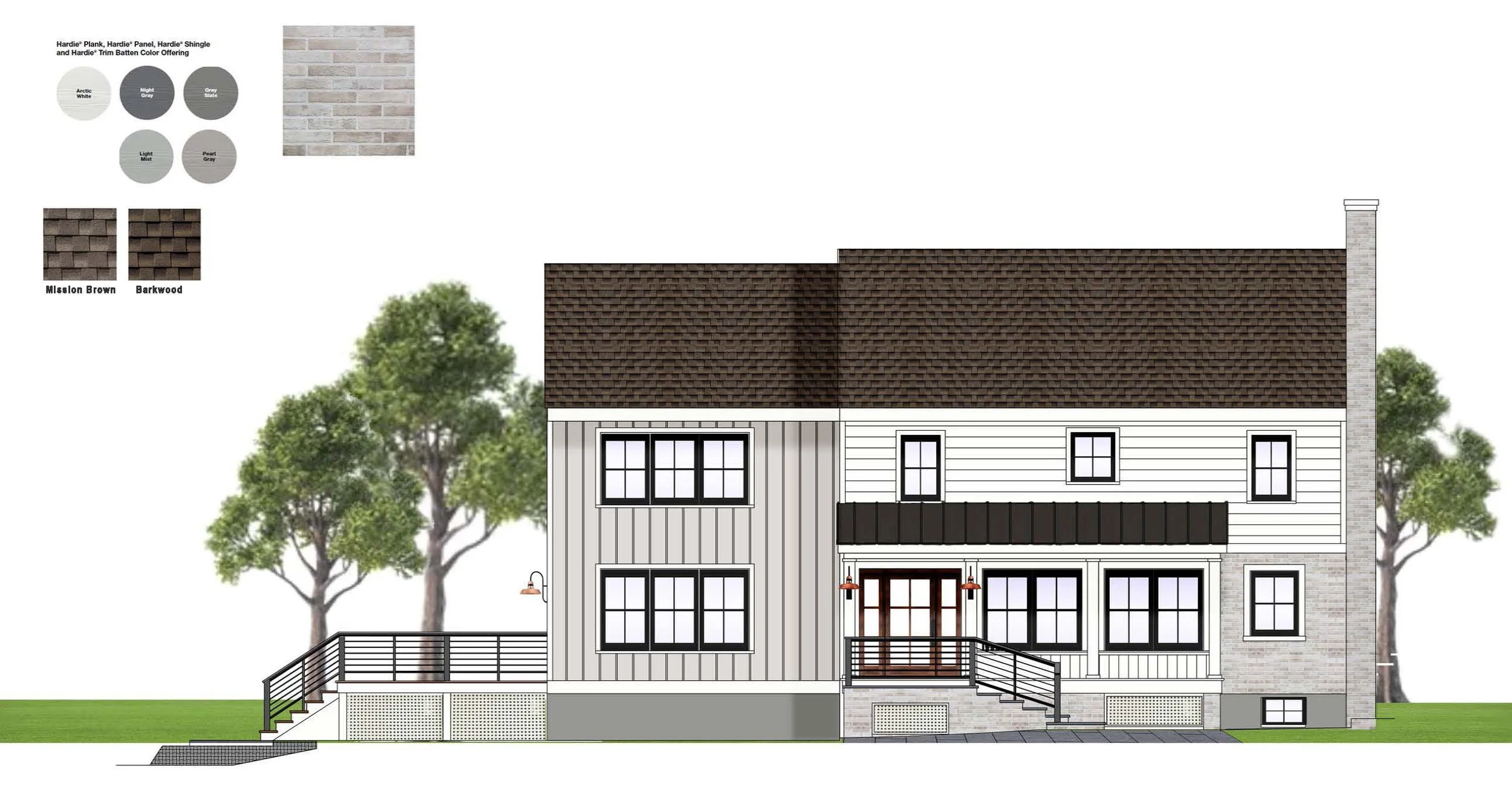
Exterior color study prepared during the design phase of a residential renovation. Rendering by Luminosus Designs.
Introduction
Homeowners planning a renovation often find themselves asking the same question early in the process: Do we need an architect, an interior designer, or both? This question comes up frequently in renovation projects throughout Fairfield County and Westchester, where many homes undergo thoughtful updates to kitchens, bathrooms, and living areas. The distinction is not always obvious. In many renovation projects — particularly those involving kitchens, bathrooms, or larger layout changes — architectural planning and interior design decisions happen at the same time. Because of this overlap, the roles of architect and interior designer are sometimes misunderstood.
For homeowners beginning a renovation, another related question often follows: Which professional should be involved first? Our article Architect or Interior Designer First? How to Start a Home Renovation explores how these roles often work together during the early planning stages of a project.
Many architects also give significant attention to how spaces will be experienced — considering factors such as daylight, room proportions, circulation, and the overall character of the home. These qualities often shape the architectural concept just as much as structural and technical requirements.
In reality, each professional approaches a renovation from a different perspective. Architects focus primarily on the building itself — its structure, exterior, and compliance with building codes — while interior designers concentrate on how the home functions once people begin living in it. Layout, circulation, cabinetry, lighting, and interior architectural details are often developed through the interior design process.
What Is the Difference Between an Architect and an Interior Designer?
Architect vs Interior Designer: Key Differences
Although architects and interior designers often collaborate closely during a renovation, their roles focus on different aspects of the project. The comparison below outlines how their responsibilities typically differ.
| Architect | Interior Designer |
|---|---|
| Structural design | Interior layout and circulation |
| Building exterior and structural systems | Kitchen & bath design |
| Site plan | Interior architectural elements |
| Permitting and code compliance | Lighting & power planning |
| Coordination with structural engineers | Fixtures & finishes |
| Construction documentation | Cabinetry and millwork design |
| Exterior design | Interior elevations and design drawings |
| Overall building plans | Furniture and furnishings |
Once you understand the difference between each professional’s role, the next step is choosing the right interior designer for a renovation with the experience, documentation, and coordination skills your project requires.
How Interior Design Drawings Fit Into the Construction Process
In many renovation projects, the interior designer’s work extends well beyond selecting finishes or furnishings. Detailed interior drawings — including cabinetry layouts, interior elevations, and revised lighting and power plans coordinated with the furniture plan and intended room use — are often required so contractors can accurately build what has been designed.
These drawings are typically coordinated with the architect’s plans and incorporated into the overall construction documentation. When interior design decisions are developed early and integrated into the architectural drawings, the project tends to move forward with far fewer revisions during construction.
In more complex renovations, this level of interior documentation becomes essential to ensure that the finished home reflects the original design intent.
What an Architect Typically Handles
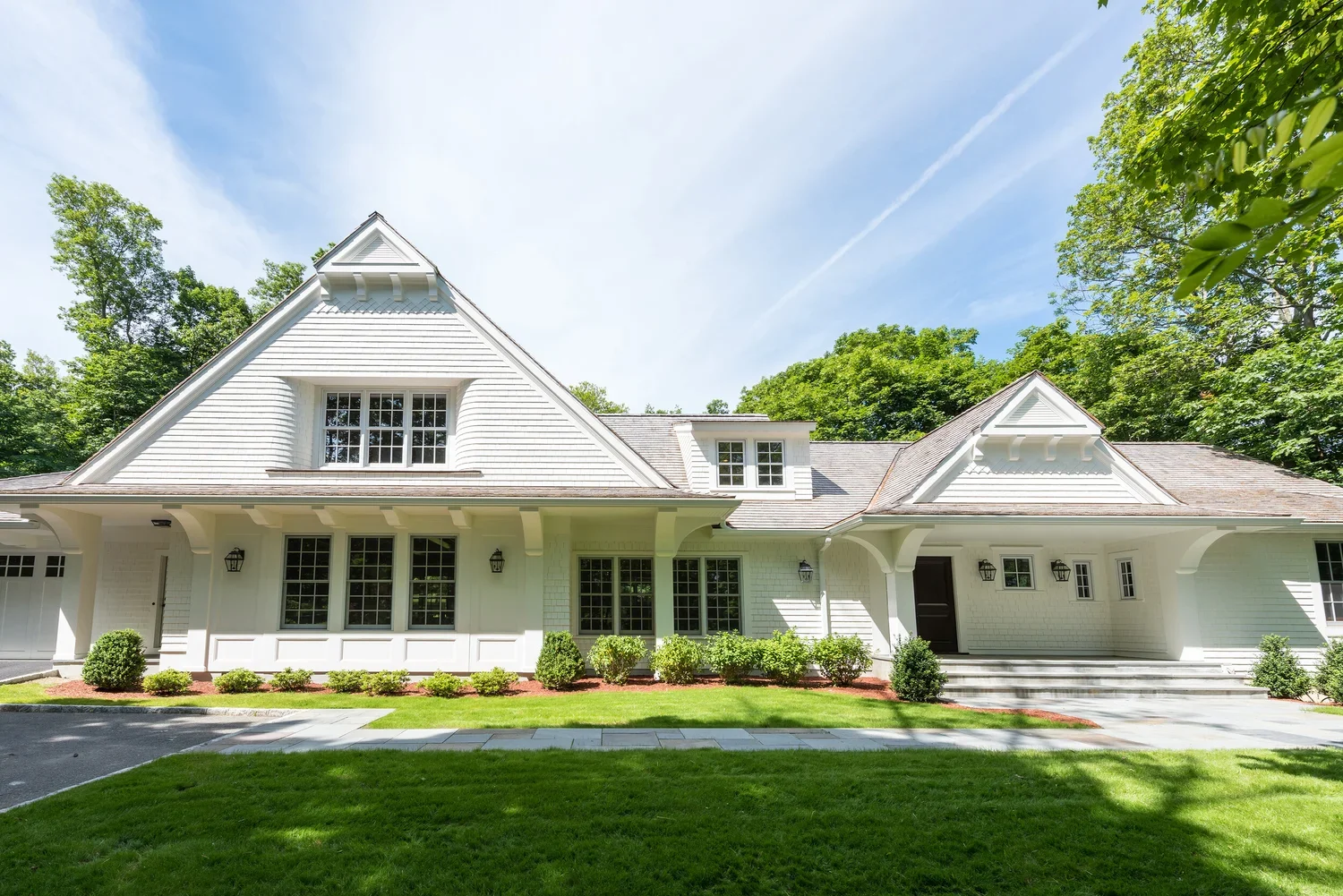
Residential project by Daniel Contelmo Architects
Image courtesy of Daniel Contelmo Architects
Architects play a critical role in the planning and construction of a home. Their work focuses primarily on the building itself — its structure, exterior form, and compliance with building codes and regulations.
In renovation projects that involve structural changes, additions, or modifications to the exterior of the home, an architect typically develops the architectural plans and coordinates with structural engineers when necessary. These plans establish the technical framework that allows the project to be permitted and constructed safely.
Architects also oversee many aspects of the building’s overall design, including site considerations, structural systems, and the integration of the home with its surrounding environment. Their drawings form the foundation of the construction documents used by contractors during the building process.
In many successful renovation projects, architects and interior designers collaborate closely, with the architect focusing on the building itself while the interior designer develops the layout, interior architectural elements, lighting, and materials that shape how the home is experienced day to day.
What an Interior Designer Focuses On
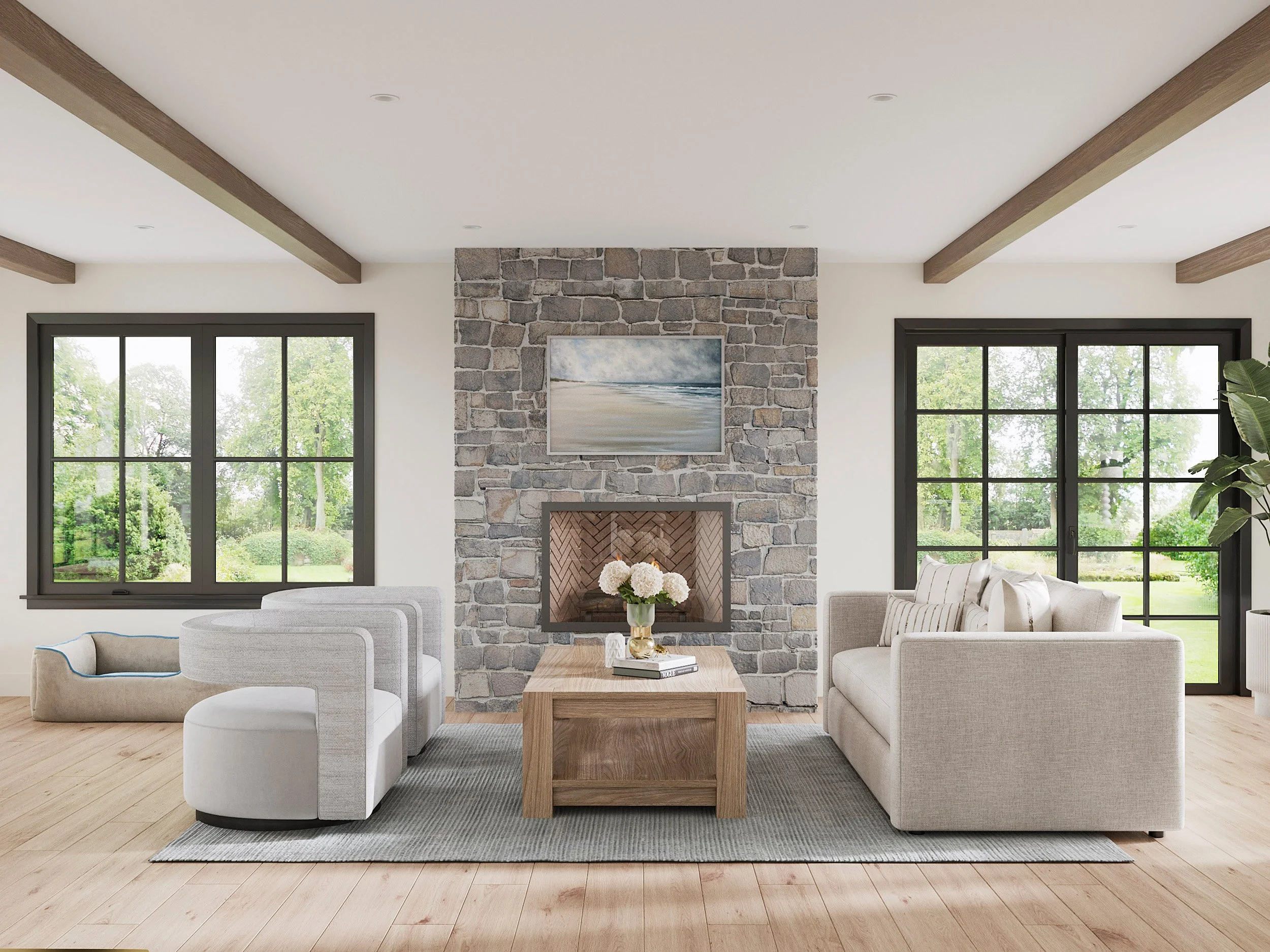
Interior designers focus on how a home functions once people begin living in it. Their work addresses the organization of rooms, the flow between spaces, and the many detailed decisions that shape how the home is experienced day to day.
In renovation projects, this often includes planning the layout of kitchens and bathrooms, developing cabinetry and millwork designs, refining room proportions, and coordinating lighting and power with the intended use of each space. Interior designers also guide the selection of materials, fixtures, and finishes so that the home feels cohesive and well considered.
For projects involving significant renovation, interior design work frequently extends into the development of detailed drawings such as cabinetry plans, interior elevations, and lighting layouts. These drawings help ensure that contractors can build the project as intended and that the design decisions made during planning are carried through accurately during construction.
In some projects these technical drawings are produced directly by the interior designer, while in others they may be developed in coordination with additional consultants or specialists. Regardless of how the documentation is produced, the goal is the same: to translate the design intent into clear information that can guide construction.
When interior design thinking is incorporated early in the planning process, the result is often a home that functions more comfortably, feels more cohesive, and reflects the way the homeowners actually live.
Where Their Roles Overlap During Renovations
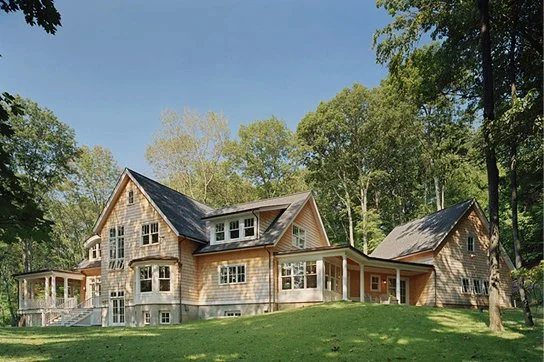
Residential project by Julie Evans Architecture & Design
Image courtesy of Julie Evans Architecture & Design
In many renovation projects, the work of the architect and the interior designer naturally overlaps. While each professional approaches the project from a different perspective, many design decisions affect both the structure of the home and how its spaces function day to day.
Kitchen renovations are a common example. An architect may address structural changes such as removing walls, modifying window openings, or adjusting ceiling heights, while the interior designer develops the cabinetry layout, appliance placement, storage planning, and lighting design that determine how the kitchen will function.
Often this becomes a collaborative process in which the architect establishes an initial layout and the interior designer refines it further with the homeowner’s input, ensuring that the final design works both structurally and functionally for the way the homeowners live.
While this collaboration is common, many homeowners also want to understand how much an interior designer can directly influence the floor plan itself. For a closer look, see can interior designers change floor plans.
Similar collaboration often occurs in whole-home renovations or additions. The architect establishes the structural framework of the project, while the interior designer refines how the rooms connect, how circulation flows through the home, and how interior architectural details are integrated throughout the design.
When architects and interior designers collaborate early in the planning process, these decisions can be coordinated thoughtfully. This often results in a design that is not only structurally sound, but also comfortable, functional, and cohesive once the home is complete.
Why Interior Design Input Early in the Process Matters
One of the most common challenges in renovation projects occurs when interior design decisions are introduced after architectural plans have already been completed. At that stage, homeowners may begin thinking more carefully about how the spaces will actually function — how kitchens will be used, where lighting is needed, how many guests they plan to entertain, or how furniture will be arranged.
When these considerations arise late in the process, adjustments may be required to elements that have already been incorporated into the architectural plans. Rooms may need to be enlarged, kitchen layouts may need to shift, lighting plans may need revision, or cabinetry and millwork details may need to be reworked to better support the way the home will be used.
For this reason, many renovation teams find that involving interior design thinking early in the planning phase leads to a smoother process and a shorter design cycle overall. When layout planning, cabinetry design, lighting coordination, and furniture placement are considered alongside architectural decisions, the design can evolve as a coordinated whole.
The result is often a project that moves through construction with fewer revisions and a finished home that feels cohesive, comfortable, and thoughtfully designed.
Conclusion
Planning a renovation involves many decisions, and understanding the roles of the professionals involved can make the process far easier to navigate. While architects and interior designers approach projects from different perspectives, their work is often closely connected throughout the design and construction process.
Architects establish the structural framework of the home and ensure that the building can be constructed safely and in accordance with regulations. Interior designers refine how the spaces will function day to day — shaping layouts, developing cabinetry and millwork, coordinating lighting and power, and guiding the many design details that influence how the home will ultimately feel.
When these perspectives are considered together early in the planning process, renovations tend to unfold more smoothly and with greater clarity. The result is often a home that not only meets technical requirements, but also supports the way the homeowners live, gather, and use their spaces every day.
Renovations in Fairfield County and Westchester
Home renovations in communities such as Darien, Greenwich, New Canaan, and throughout Westchester County often involve older homes, complex layouts, and thoughtful upgrades to kitchens, bathrooms, and living areas. In these projects, architects and interior designers frequently work together to balance structural planning with the detailed design decisions that shape how the home will function and feel once the renovation is complete.
Frequently Asked Questions
▪ Do you need an architect for a renovation?
If a renovation involves structural changes, additions, or modifications to the exterior of a home, an architect is typically required to develop the architectural plans and ensure compliance with local building codes.
▪ Can an interior designer change the layout of a home?
Interior designers often develop space plans that refine how rooms connect and function. When structural changes are required, these plans are typically coordinated with the architect so that both design and structural considerations are addressed.
▪ Should you hire an interior designer before an architect?
In many renovation projects, homeowners benefit from involving both professionals early in the planning process. When architectural planning and interior design decisions develop together, the project often moves forward more smoothly.

Mimi Fong
Founder+Principal
White Plains, NY