Kitchen Renovation in Darien, CT: Cost Drivers and Planning
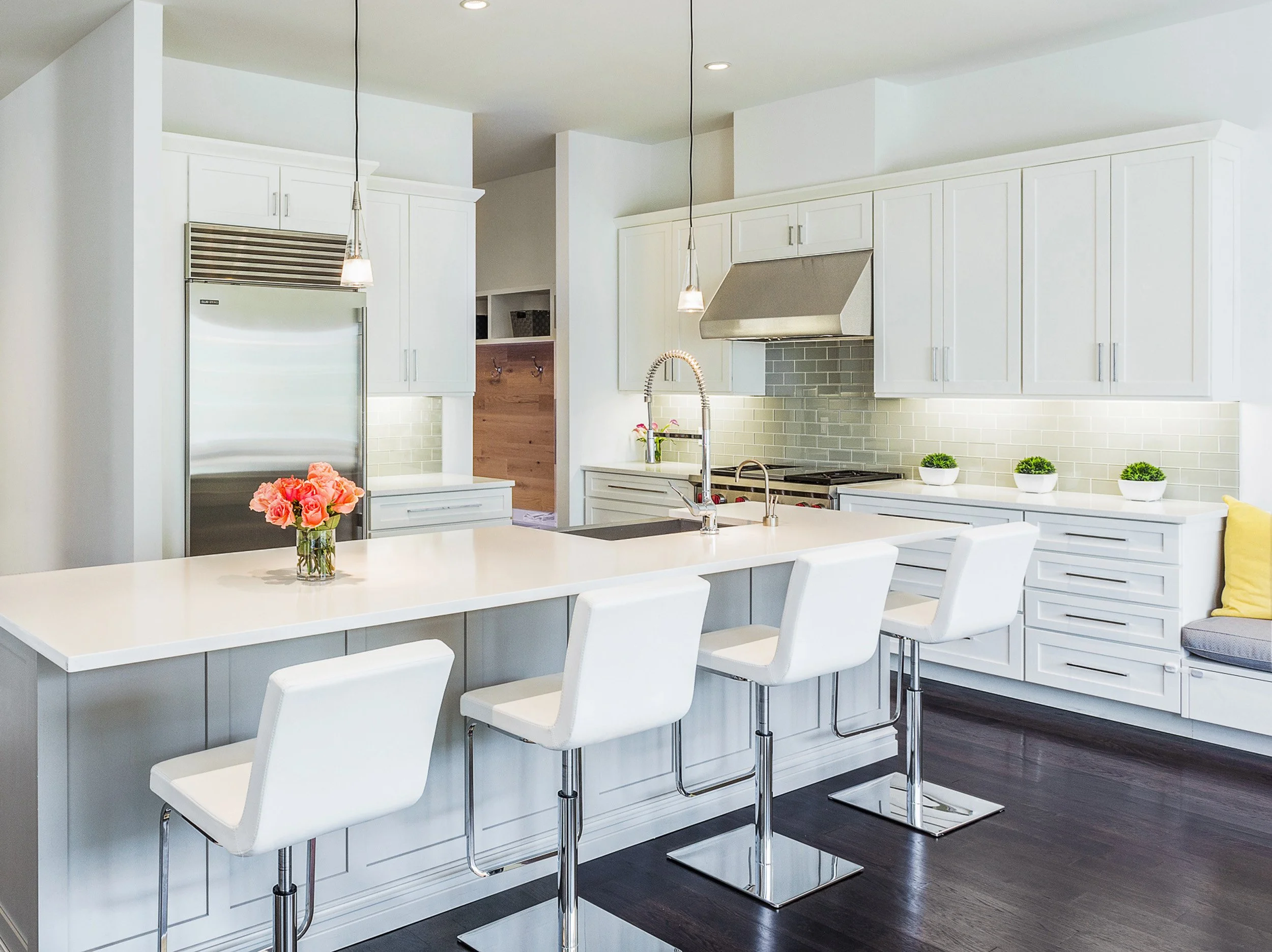
A kitchen renovation is one of the most significant investments homeowners make, both financially and in how a home functions day to day. In Darien, CT, where many homes are thoughtfully built and carefully maintained, renovation projects often begin with a desire to improve how the space works — not simply how it looks.
Unlike furnishing projects, kitchen renovations involve a complex set of decisions that affect layout, construction, materials, and long-term usability. Questions about cost, timing, and design direction are closely connected, and the outcome depends largely on how thoughtfully those decisions are made early in the process.
This guide explains what drives the cost of a kitchen renovation in Darien, how the design and planning process works, and what homeowners should consider before beginning a project. The goal is not to provide a one-size-fits-all estimate, but to clarify the factors that shape both investment and outcome.
Why Thoughtful Planning Matters in a Kitchen Renovation
■ Why kitchen renovations require more than aesthetic decisions
A kitchen renovation is not simply a matter of selecting finishes or choosing cabinetry styles. It is a comprehensive design exercise that affects how the home functions, how spaces relate to one another, and how daily routines unfold.
Layout, circulation, storage, lighting, and material choices must work together as a cohesive system. Changes to one element often affect many others — relocating an appliance may require adjustments to plumbing, electrical work, or cabinetry design, while altering the layout can influence structural considerations and construction scope. Even changing the location of a doorway or window can significantly affect traffic flow, sightlines, and overall usability.
For this reason, kitchen renovations are as much an exercise in interior architecture as they are in interior design. Decisions about spatial organization, proportion, and movement through the home shape how the kitchen performs and how it connects to surrounding spaces.
Because of this complexity, successful kitchen renovations depend on careful planning and coordination long before construction begins. For homeowners beginning a renovation, it is also common to wonder whether an architect or interior designer should be involved first. Our article Architect or Interior Designer First? How to Start a Home Renovation explains how these roles often work together during the early stages of a project. The most effective projects are guided by clear design decisions that align functionality, aesthetics, and technical requirements from the outset.
■ How early design planning shapes cost, timeline, and outcome
Many of the factors that determine renovation cost and timeline are established during the planning phase. Decisions about layout, materials, and construction scope define the level of work required and influence how efficiently the project progresses.
When planning is completed early, contractors can build from a clear set of design specifications, materials can be ordered in advance, and timelines and project milestones can be coordinated before construction begins. This structured approach helps prevent delays, unexpected changes, and costly revisions during the build phase.
Thoughtful planning also allows homeowners to evaluate options carefully, balance priorities, and make informed decisions about where to invest. Rather than reacting to problems as they arise, the project moves forward with clarity, coordination, and direction.
■ When to hire an interior designer for a kitchen renovation
Homeowners often wonder when to involve an interior designer. In most cases, the most effective time to engage a designer is during the earliest planning stages.
Early involvement allows the design team to evaluate how the kitchen functions within the broader home, develop layout strategies, and coordinate design decisions with architectural and construction requirements. This ensures that cabinetry, lighting, appliances, and material selections are integrated into the overall plan rather than adjusted later.
■ Working with an interior designer, architect, and contractor
Kitchen renovations often involve multiple professionals, each contributing a different area of expertise. Architects address structural changes and architectural planning, contractors manage construction and implementation, and interior designers guide layout, material selection, and overall design direction.
When these roles are coordinated from the outset, the project benefits from clear communication and consistent decision-making. The design intent remains aligned throughout planning and construction, and the finished kitchen reflects a cohesive vision rather than a series of disconnected choices.
Kitchen renovations often involve multiple professionals, each contributing a different area of expertise. Architects address structural changes and architectural planning, contractors manage construction and implementation, and interior designers guide layout, material selection, and overall design direction.
HOW WE WORK
A structured design process brings clarity to complex renovation decisions — from early planning and layout development through construction coordination and final installation.
When these roles are coordinated from the outset, the project benefits from clear communication and consistent decision-making. The design intent remains aligned throughout planning and construction, and the finished kitchen reflects a cohesive vision rather than a series of disconnected choices.
A collaborative approach allows homeowners to move through the renovation process with greater clarity, confidence, and control.
By participating from the beginning, an interior designer helps guide the many decisions that shape the quality of the finished space, the efficiency of the renovation process, and the overall investment in the project.
What Drives the Cost of a Kitchen Renovation in Darien
Kitchen renovation costs vary widely from project to project. Rather than a single price range, the investment is shaped by a combination of design decisions, construction scope, and the level of customization required.
In Darien, where many homes are thoughtfully constructed and often renovated over time, kitchen projects frequently involve both design refinement and technical coordination. Understanding what drives cost allows homeowners to evaluate priorities, allocate resources strategically, and plan a renovation that supports both long-term functionality and overall value.
■ Scope of work and layout changes
One of the most significant factors affecting cost is the scope of the renovation and whether the existing layout is being reconfigured. Projects that maintain the current footprint or appliance locations typically require less construction work, while changes to the layout may involve structural modifications, plumbing relocation, or electrical adjustments.
Reconfiguring floor plans, removing walls, or relocating major elements such as sinks or appliances can substantially increase construction complexity. These changes often improve functionality and usability, but they also require additional planning, coordination, and execution.
The scope of work establishes the foundation of the project and influences nearly every cost decision that follows.
In a modern farmhouse interior, less is often more. The furniture is usually streamlined and unfussy, with clean lines and minimal ornamentation. However, the use of natural materials—like wood, stone, and metal—adds depth and richness to the furniture itself and the space it occupies, preventing it from feeling sterile or cold. This combination of simplicity and warmth is what makes the modern farmhouse interior so appealing to homeowners who want a space that is both stylish and livable.
■ Custom cabinetry and millwork
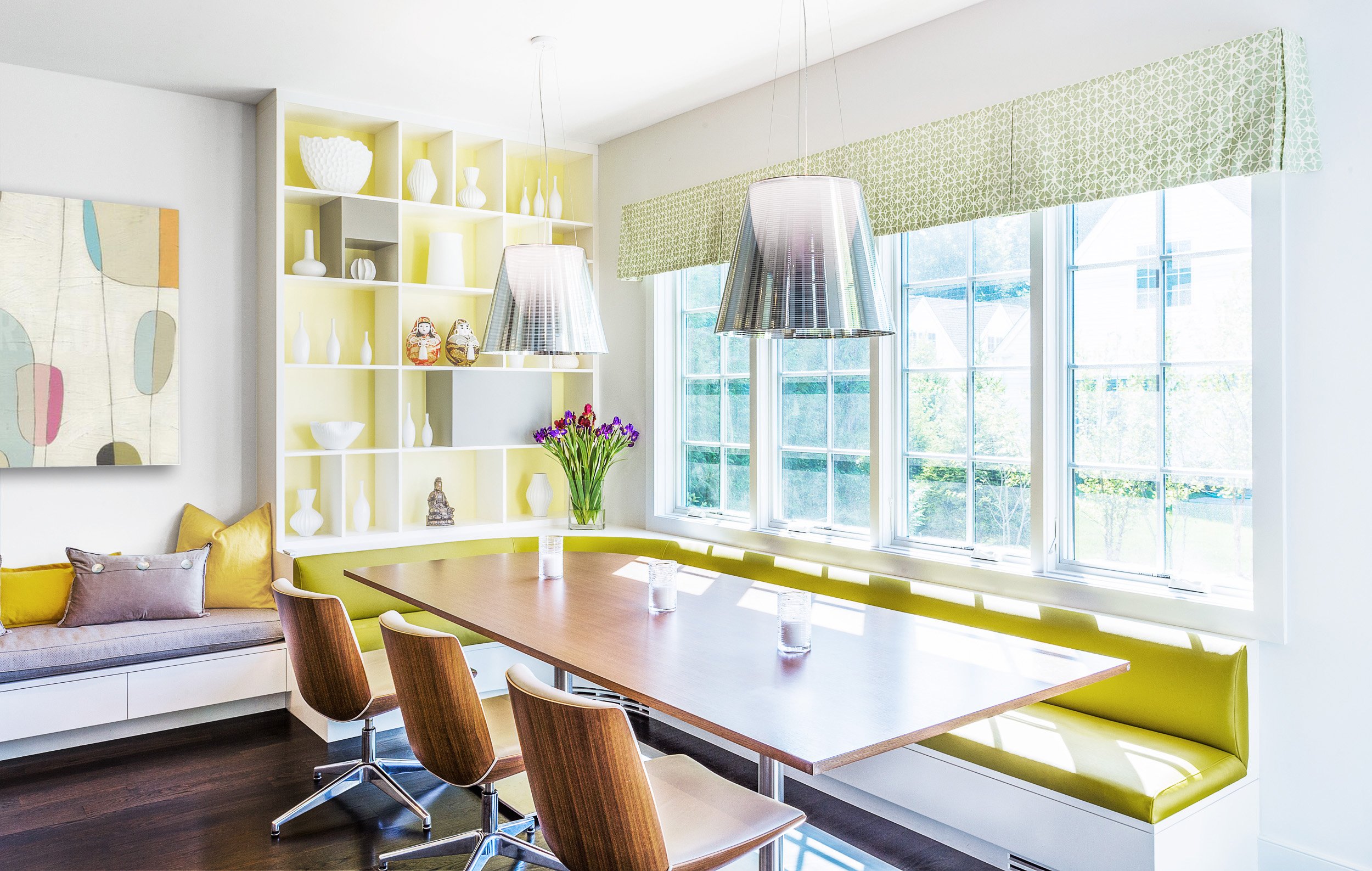
Cabinetry is often the largest single investment in a kitchen renovation. The level of customization, material selection, finish, and construction quality all influence overall cost.
Custom cabinetry allows for tailored storage solutions, precise spatial integration, and greater flexibility in proportion and detailing. It also supports long-term durability and functionality, particularly in kitchens designed for daily use or frequent entertaining.
More standardized cabinetry options may reduce initial cost but typically offer less flexibility in layout and design integration. The appropriate choice depends on the priorities of the project and the level of refinement desired.
■ Appliances, fixtures, and materials
Appliances, plumbing fixtures, countertops, and finishes also play a significant role in shaping the investment. Performance requirements, material durability, and aesthetic goals all influence these selections.
High-performance appliances, natural stone surfaces, and specialty finishes often require additional planning and coordination, including ventilation requirements, structural support, or detailed fabrication. While these selections increase initial investment, they can enhance usability, longevity, and overall design coherence.
Material decisions are most effective when considered as part of the broader design strategy rather than evaluated individually.
■ Construction complexity and site conditions
The existing condition of the home and the complexity of the construction environment can significantly affect project cost. Renovations in older homes may reveal structural or infrastructure issues that must be resolved before new work can proceed.
In coastal communities such as Darien, environmental conditions, building regulations, and site constraints may also influence construction requirements. These factors should be carefully evaluated during the planning phase to avoid unexpected changes once construction begins.
■ Level of customization and design detail
The degree of customization throughout the kitchen — from bespoke millwork to specialized storage solutions and integrated lighting — shapes both the design experience and the overall investment.
Highly tailored solutions require additional design development, coordination with fabricators, and precise execution. While this level of customization increases complexity, it also allows the kitchen to function more effectively for the homeowner’s needs and integrate seamlessly with the architecture of the home.
The level of design detail ultimately reflects the goals of the project and the priorities established during planning.
PLANNING A KITCHEN RENOVATION?
A structured planning conversation helps clarify layout options, investment priorities, and design direction before construction begins.
These factors illustrate why kitchen renovation costs are not determined by a single decision, but by a series of interconnected design and construction choices. Understanding how layout, materials, construction requirements, and customization work together allows homeowners to approach renovation planning more strategically and make informed decisions about where to invest.
At the center of these decisions is the kitchen layout itself — the foundation that shapes how the space functions, how the home flows, and how the finished environment ultimately feels.
Kitchen Layout Planning and Design Decisions That Shape the Result
A successful kitchen renovation is defined not only by the materials selected, but by how the space is planned. Layout decisions determine how the kitchen functions day to day, how it relates to interconnected spaces, and how effectively the renovation supports the way the household lives.
Kitchen layout planning is a form of interior architectural work. It involves evaluating circulation, workflow, storage needs, appliance selection and placement, lighting integration, and structural considerations to create a cohesive and highly functional environment. When these elements are thoughtfully coordinated, the result is a kitchen that feels intuitive, efficient, and naturally integrated with the home. At this stage, questions often extend beyond the kitchen itself—particularly around how much the existing floor plan can be adjusted to better support the home as a whole. For more on this, see can interior designers change floor plans.
■ Kitchen layout planning and workflow
A well-planned kitchen supports natural movement and efficient workflow. Circulation paths, appliance placement, and work zones must be carefully arranged so daily activities can occur comfortably and without interruption.
Design decisions consider how the kitchen connects to adjacent rooms, how multiple users move through the space, and how key functions such as preparation, cooking, and cleanup relate to one another. Thoughtful spatial planning improves usability while also shaping how the kitchen feels within the broader home.
■ Storage strategy and functional organization
Effective storage planning is essential to both functionality and visual clarity. Cabinetry and storage solutions must accommodate how homeowners actually use the kitchen — from everyday cooking and cleanup to entertaining and family routines.
Custom storage strategies may include integrated pantry systems, concealed appliances, specialized drawer configurations, and tailored organizational solutions. When storage is carefully designed, the kitchen remains orderly, efficient, and easy to maintain over time.
■ Lighting, materials, and technical integration
Lighting and material decisions play both functional and aesthetic roles. Layered lighting strategies support task work, ambient illumination, and visual balance, while material selections must meet performance requirements for durability and maintenance.
These elements also involve technical coordination. Ventilation requirements, electrical planning, appliance specifications, and structural considerations must be integrated into the design before construction begins. Addressing these details early ensures the finished kitchen performs as well as it looks.
■ Designing for long-term use and flexibility
A kitchen renovation is a long-term investment, and design decisions should support the home’s future needs as well as its current use. Planning may consider changing household routines, evolving accessibility needs, and the longevity of materials and construction methods.
By prioritizing adaptability and durability, the renovation remains functional and relevant for years to come, supporting both comfort and long-term value.
These design decisions form the foundation of a successful kitchen renovation and guide the project from early planning through construction. A clearly defined design allows the renovation to move forward with greater clarity, coordination, and predictability.
Kitchen Renovation Timeline: What to Expect
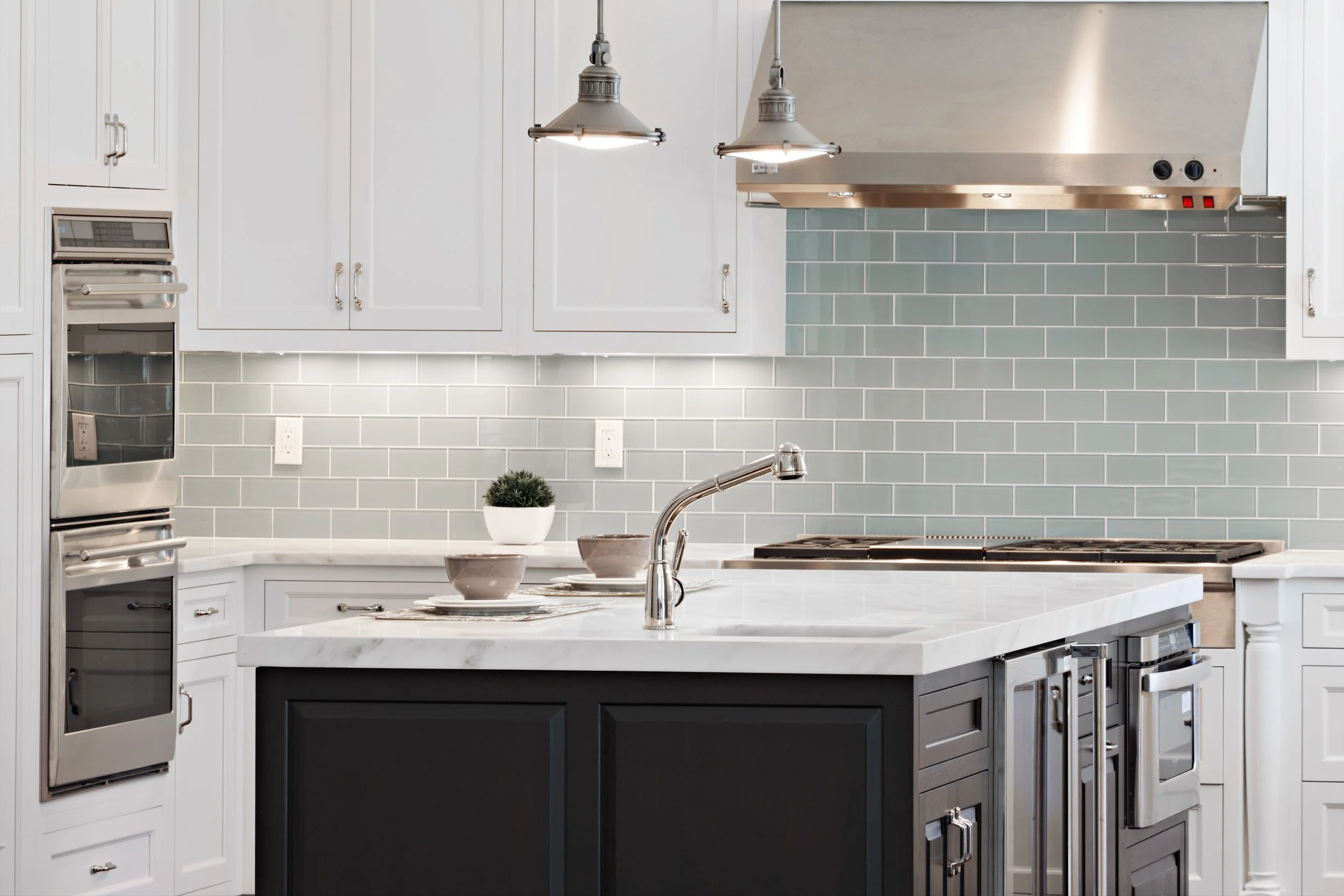
A kitchen renovation unfolds over several distinct phases, each requiring planning, coordination, and lead time. While timelines vary depending on scope and complexity, understanding the general sequence helps homeowners plan realistically and avoid unnecessary pressure during the process.
A well-organized timeline allows design decisions, material procurement, and construction work to proceed efficiently while reducing delays and unexpected complications.
■ Planning and design development phase
The planning phase establishes the foundation of the renovation and typically requires the most time and careful consideration. During this stage, the design team evaluates how the kitchen functions, develops layout strategies, selects materials, and coordinates technical requirements for construction.
This phase often includes space planning, cabinetry design, appliance selection, lighting coordination, and detailed specification development. The process is typically iterative, with refinements made as design decisions are evaluated and resolved. Completing the kitchen renovation design process before construction begins helps ensure contractors can execute the work efficiently and accurately.
Well-developed design documentation also allows homeowners to make informed decisions and evaluate investment priorities before committing to construction.
■ Ordering, fabrication, and lead times
Once design decisions are finalized, materials and components must be ordered and fabricated. Custom cabinetry, specialty finishes, appliances, and stone surfaces often require significant production time.
Lead times vary depending on the level of customization and availability of materials. Early procurement planning helps prevent delays during construction and ensures all elements arrive in the correct sequence. Coordinating fabrication schedules with the overall renovation timeline is an essential part of maintaining project momentum.
■ Construction and installation
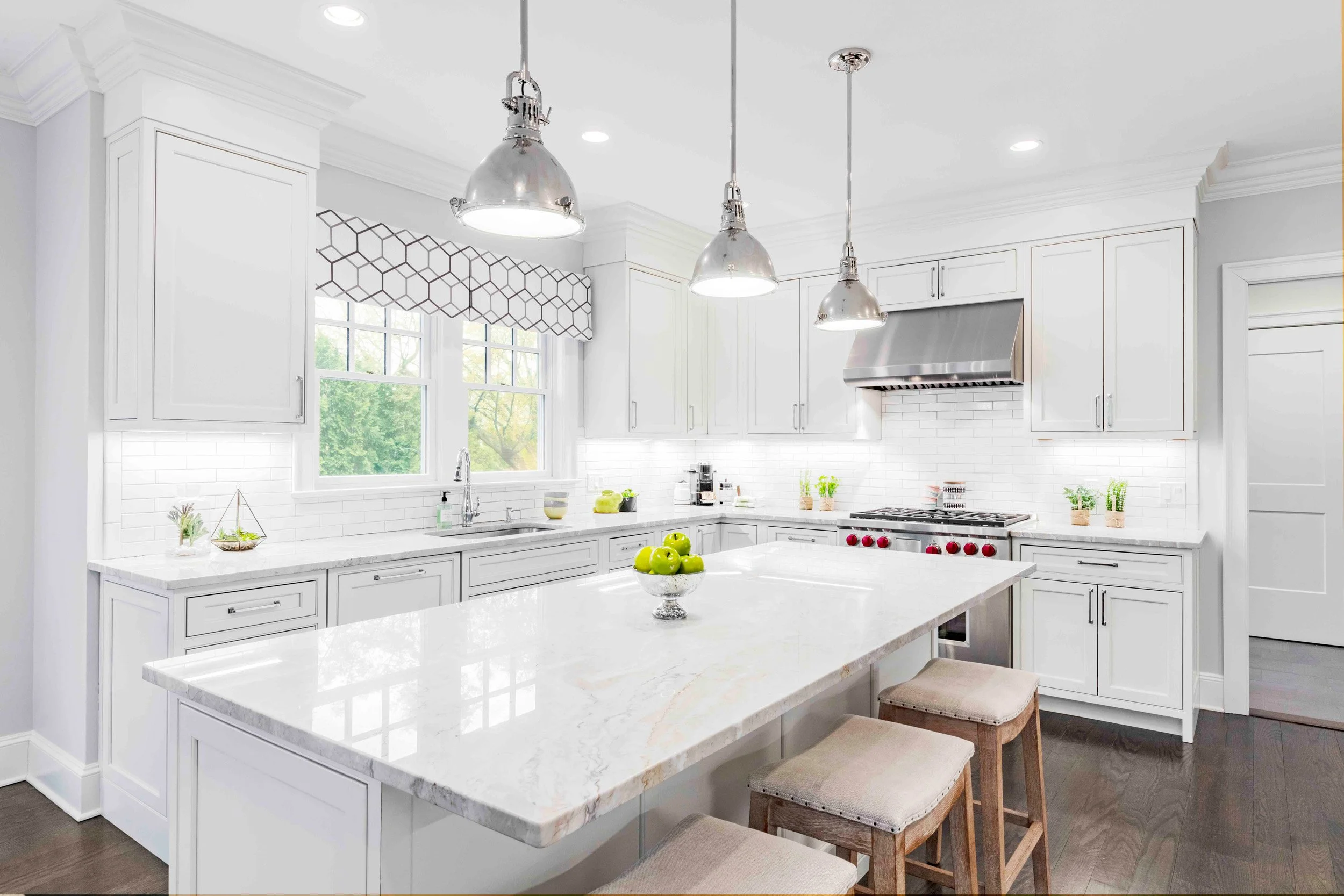
The construction phase typically includes demolition, infrastructure updates, installation of cabinetry and finishes, and final detailing. Contractors coordinate multiple trades, including electrical, plumbing, millwork, and fabrication teams.
This stage requires careful scheduling and oversight to ensure each step is completed correctly. Ongoing coordination and frequent communication with the design team allow potential issues to be addressed early, preventing cascading delays or costly revisions. A structured construction sequence helps maintain efficiency while protecting the quality of the finished work.
■ Factors that influence project timelines
Every project timeline is shaped by multiple variables, including construction complexity, material availability, and coordination among professionals. Structural changes, custom fabrication, and unforeseen site conditions can all affect the overall kitchen renovation project timeline.
Planning early and maintaining clear communication among the design team, contractors, and suppliers helps minimize disruptions and keeps the project moving forward with greater predictability. Understanding how timelines are shaped allows homeowners to approach renovation planning with realistic expectations and greater confidence.
Budget Planning and Investment Strategy for Kitchen Renovations
A kitchen renovation is both a design decision and a financial investment. Thoughtful budget planning helps homeowners allocate resources strategically, prioritize long-term value, and maintain clarity throughout the renovation process.
Rather than focusing on a single total figure, effective budget planning considers how design decisions, construction scope, and material selections work together to shape the overall investment.
■ Establishing priorities and defining investment goals
Successful kitchen renovations begin with clearly defined priorities. Homeowners may place greater emphasis on layout improvements, custom cabinetry, material quality, or long-term durability depending on how the kitchen is used and what the renovation is intended to achieve.
Establishing investment goals early allows design decisions to align with the homeowner’s priorities, ensuring resources are directed toward the elements that have the greatest impact on functionality and overall experience.
■ Understanding how design decisions influence budget
Budget is shaped by a series of interconnected design decisions rather than a single selection. Layout changes, level of customization, material quality, and construction complexity all influence the overall scope of work.
A well-developed design plan allows homeowners to evaluate options thoughtfully, compare alternatives, and make informed decisions before committing to construction. This structured approach helps maintain control over the investment while reducing the likelihood of unexpected costs.
■ Planning for contingencies and construction realities
Renovation projects often involve existing conditions that cannot be fully assessed until work begins. Older homes may reveal structural or infrastructure issues, and adjustments may be required as construction progresses.
Establishing appropriate contingencies within the project budget allows the renovation to proceed with greater flexibility and reduces stress if unforeseen conditions arise.
■ Balancing short-term cost with long-term value
Some decisions reduce initial cost but may require earlier replacement or compromise long-term performance. Others involve higher upfront investment but provide greater durability, improved functionality, or stronger design integration.
Evaluating choices through the lens of long-term value helps homeowners make decisions that support both immediate goals and the future performance of the home.
A clear investment strategy allows kitchen renovations to proceed with greater confidence and transparency. For a broader explanation of how interior design fees and project costs are structured in Fairfield County, you can read our guide to interior designer costs.
Common Kitchen Renovation Mistakes to Avoid
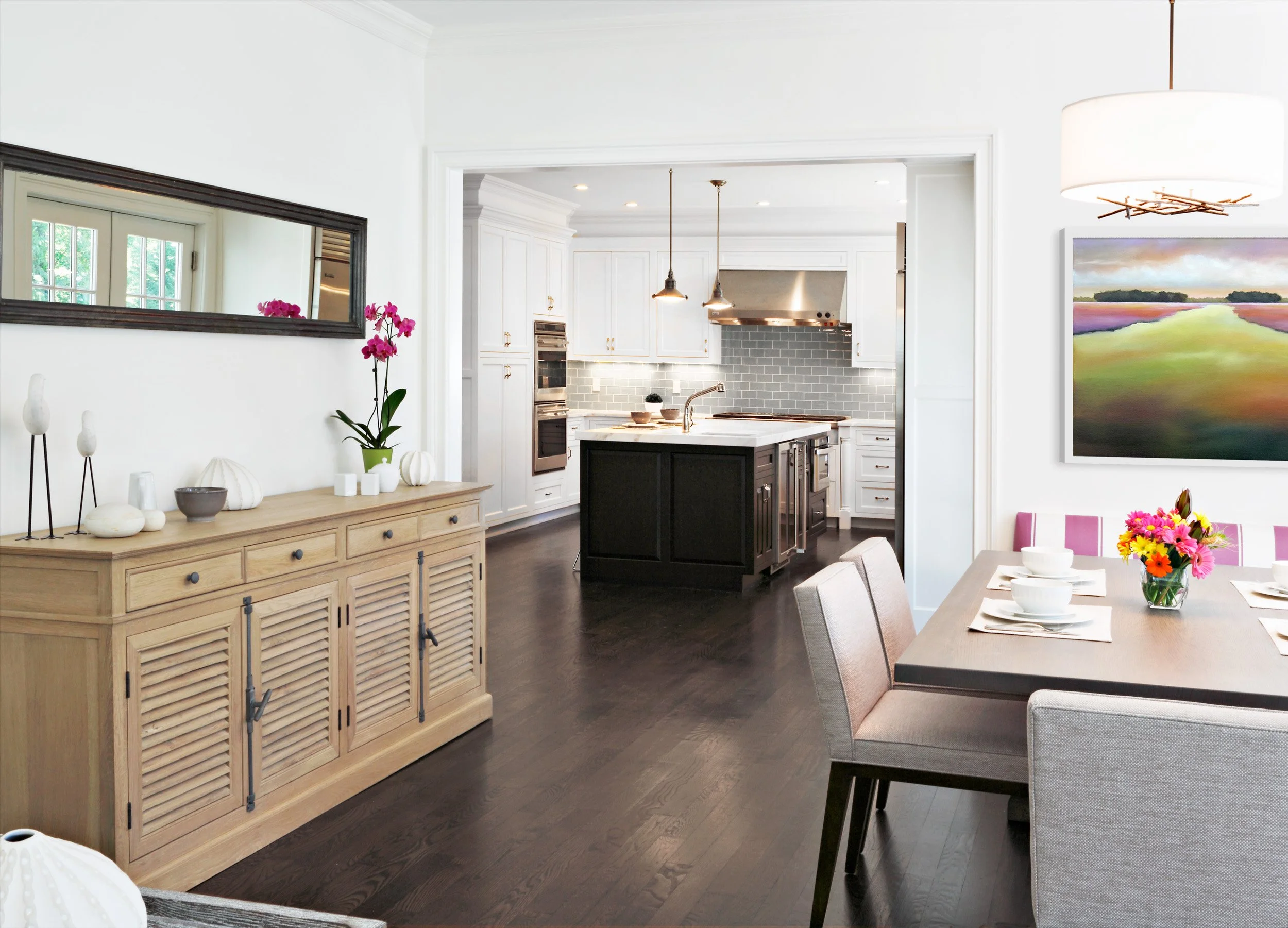
Kitchen renovations involve numerous interconnected decisions, and certain missteps can significantly affect both cost and outcome. Understanding common challenges helps homeowners approach renovation planning more strategically and avoid preventable complications.
■ Beginning construction before planning is complete
One of the most common mistakes is starting construction before design decisions are fully resolved. When layout, material selections, or technical details are determined during construction, the project often experiences delays, revisions, and increased costs.
A complete design plan allows construction to proceed efficiently and helps maintain clarity throughout the renovation process.
■ Poor layout and workflow decisions
A kitchen may appear visually appealing but still function poorly if workflow and circulation are not carefully considered. Inadequate clearances, inefficient work zones, and poorly positioned appliances can affect daily usability.
Thoughtful spatial planning ensures the kitchen supports how the household actually lives rather than relying solely on aesthetic preferences.
■ Underestimating budget and timeline requirements
Renovation projects require realistic expectations regarding both investment and timing. Without careful kitchen renovation budget planning, homeowners may encounter unexpected costs or scheduling pressures.
Establishing clear priorities, defining project scope, and planning contingencies helps create a more predictable renovation experience.
■ Choosing materials without considering long-term performance
Material selections should balance visual appeal with durability, maintenance requirements, and long-term performance. Surfaces and finishes that are not suited to daily use may require early replacement or ongoing maintenance.
Evaluating materials within the context of lifestyle needs and performance expectations supports long-term satisfaction with the finished space.
■ Lack of coordination between professionals
Kitchen renovations involve multiple professionals working toward a shared goal. Without clear coordination between designers, architects, and contractors, decision-making can become fragmented and inconsistencies may arise during construction.
A coordinated design approach ensures that planning, technical requirements, and execution remain aligned throughout the project.
Avoiding these common challenges allows renovation projects to proceed more smoothly and helps ensure the finished kitchen reflects both the homeowner’s goals and the design intent.
Planning a Kitchen Renovation in Darien, CT
Kitchen renovations in Darien often involve homes with established architectural character and long-term investment considerations. Many projects focus on improving functionality, updating layouts, and integrating modern amenities while respecting the proportions and materials that define the home.
Renovations in established neighborhoods frequently involve rethinking layouts to better support contemporary living, improving circulation, and enhancing how the kitchen connects to surrounding spaces. Each project benefits from thoughtful planning that considers the home’s architecture, setting, and the priorities of the household.
Because of this complexity, the most successful renovations begin with a clearly defined plan and a structured design approach that coordinates layout decisions, material selections, and construction requirements before work begins. This level of planning helps ensure that design intent, budget priorities, and technical execution remain aligned throughout the renovation process.
INTERIOR DESIGN SERVICES IN DARIEN, CT
Luminosus Designs provides full-service interior design, renovation planning, and coordination with architects and builders for homes throughout Darien and Fairfield County.
Working with an experienced interior design team helps coordinate layout planning, cabinetry design, material selection, and construction decisions within a clear and structured framework. Early planning allows renovation goals, budget, and technical requirements to be aligned before construction begins, helping create a more efficient process and a more cohesive result. For a detailed overview of how Luminosus Designs guides projects from concept through installation, you can learn more about our interior design process.
For homeowners planning a kitchen renovation in Darien, Luminosus Designs provides full-service interior design, renovation planning, and coordination with architects and builders from concept through installation. You can learn more about our interior design services in Darien, CT or schedule an initial consultation to discuss your project

Mimi Fong
Founder+Principal
White Plains, NY