
Guides and Resources for Planning Your Project
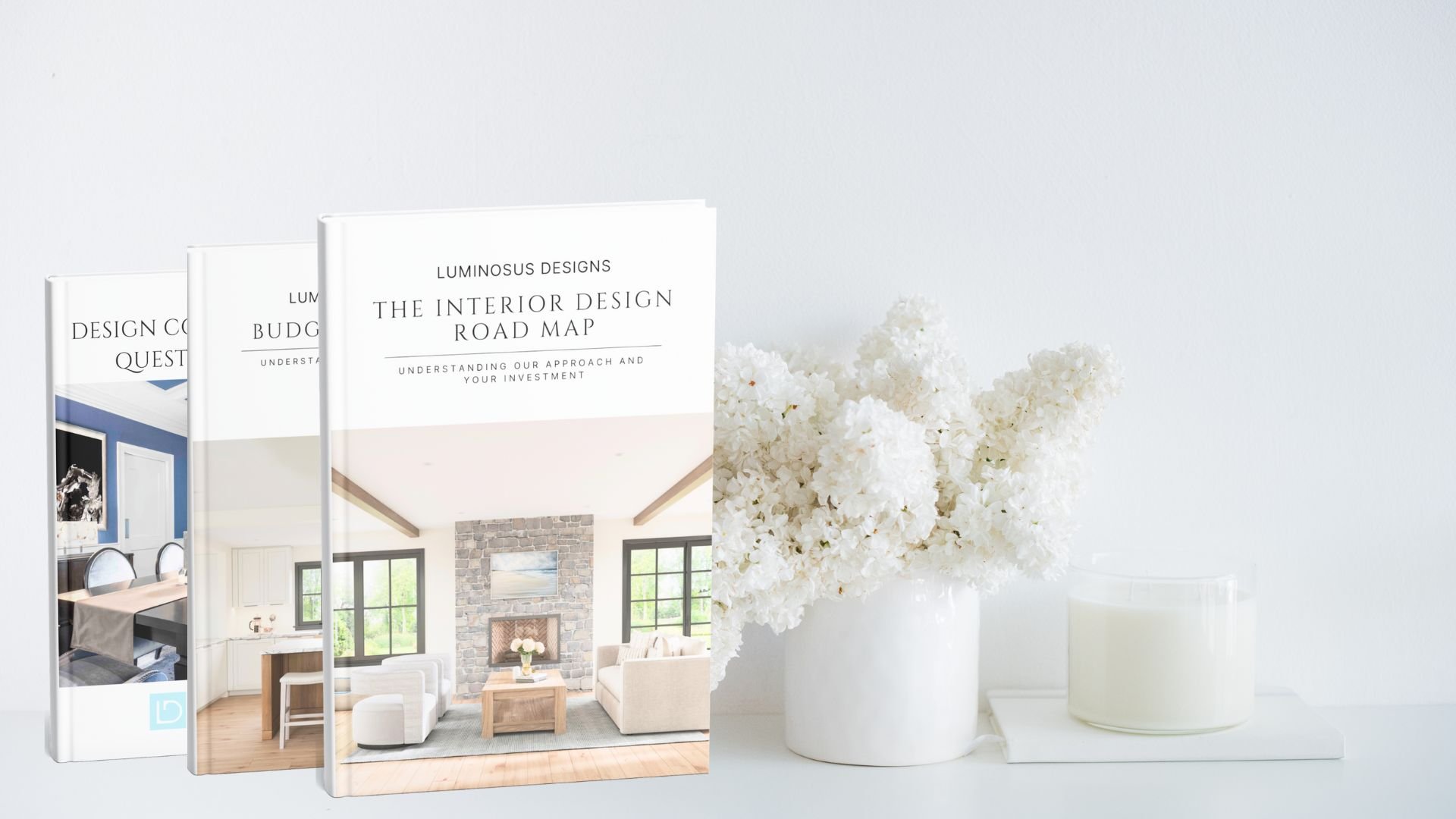
Beginning an interior design project is rarely just a matter of choosing finishes or furniture. Most projects start much earlier, in a more uncertain phase, where questions about scope, timing, budget, and decision-making are still being worked out. The purpose of these guides is to give that early stage some framework — a way to think more clearly about what you are actually taking on, what needs to be decided, and which choices tend to have the greatest impact later.
They are not intended to prescribe a particular outcome or push a specific kind of project. Instead, they are meant to help you think more clearly about what you are actually undertaking — what needs to be decided, what tends to take longer than expected, where complexity usually hides, and which choices have the greatest long-term consequences.
Over years of working on residential projects, a consistent pattern emerges: the projects that run most smoothly are not necessarily the simplest ones, but the ones that begin with a shared understanding of constraints, priorities, and process. These guides are built around that observation. They address the questions that tend to come up before drawings are made or contractors are called — questions about how to define scope, how to think about investment, how to prepare for the design process, and how to recognize what level of support will actually be useful.
Some of the material is practical. You will find guidance on how projects typically unfold, what kinds of decisions need to be made early, and how timing and sequencing affect both cost and experience. Other parts are more reflective, helping you think through what matters most in your own home and how to distinguish between what is essential and what is simply desirable.
The intention is not to make the process feel heavier, but clearer. Renovations and furnishing projects become overwhelming most often when too many decisions are made at once, or when expectations are left vague for too long. A small amount of structure at the beginning tends to reduce friction later on.
Each guide is written to be read on its own, at your own pace. Some people use them to prepare for an initial conversation. Others use them as a reference while plans are taking shape. There is no required order, and no assumption that every project will need the same level of involvement or complexity.
Access to the guides is provided through a short form. This is simply a practical way to deliver the materials and keep them organized in one place. The guides themselves are intended to be genuinely useful, whether or not they lead immediately to a project.
Taken together, they form a kind of working notebook: a way to think more clearly before committing to decisions that are difficult to reverse. The goal is not to make the process feel abstract or theoretical, but to make it more deliberate, more predictable, and ultimately more manageable.
Good projects are rarely rushed at the beginning. These resources exist to support that slower, more thoughtful start.
You will be automatically subscribed to our mailing list. Don’t worry - we never share email addresses with anyone and you can unsubscribe at anytime!